Where Value Is Actually Created in Solar Development
Solar assets typically pass through several phases: land control, permitting, grid connection, construction, and operation. Public-market investors often encounter assets late in this cycle, where returns are stabilised but compressed.
By contrast, early-stage strategies focus on the pre-construction window, where regulatory milestones and grid certainty can materially reprice an asset. This phase is where Solar45 concentrates its capital deployment.
The Santa Marta Case
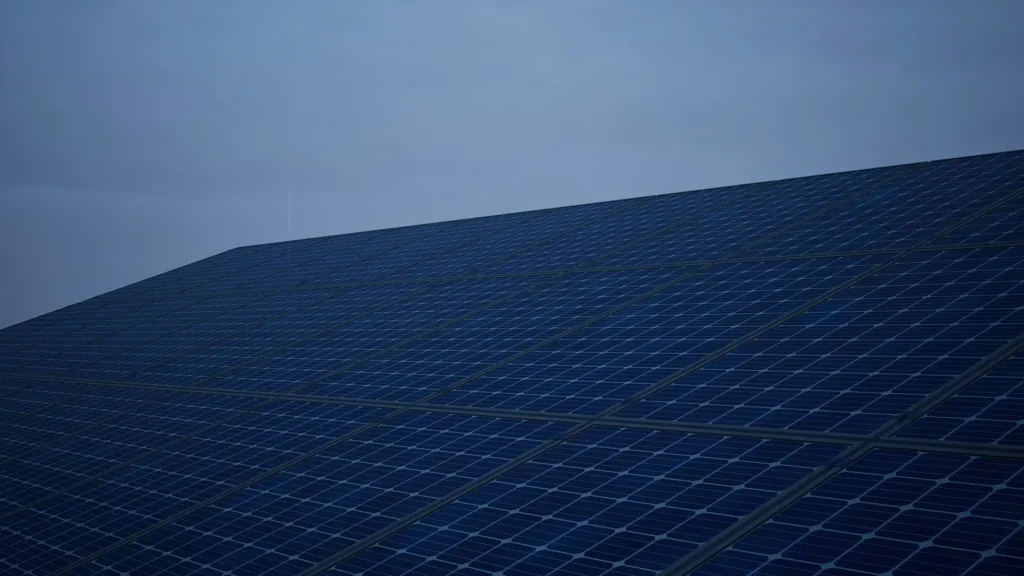
Santa Marta was developed as a utility-scale solar project in southern Portugal, progressing through land leasing, environmental approvals, and grid structuring under the national Acordo framework. Capital was allocated to reduce development risk rather than fund construction.
Upon reaching maturity, the bond linked to Santa Marta was fully redeemed, returning capital plus a 60% total return, paid pro-rata at maturity. This outcome reflects a completed lifecycle rather than a mark-to-market valuation.
Why Portugal Matters
Portugal combines high solar irradiation, expanding grid infrastructure, and a regulatory environment designed to accelerate renewable deployment. These conditions create liquidity at the Ready-to-Build stage, attracting utilities, IPPs, and infrastructure funds seeking permitted pipeline assets.
Lessons for Sophisticated Investors
- Early-stage does not mean speculative when regulatory risk is actively managed
- Defined timelines improve capital predictability
- Development-to-exit strategies can outperform operational yield strategies on a risk-adjusted basis
Looking Ahead
Following Santa Marta, Solar45 applies the same disciplined framework across a diversified portfolio, incorporating both solar generation and energy storage assets.
Professional Investor Notice
This article is provided for information purposes only and does not constitute an offer or solicitation to invest. Investment opportunities are available only to eligible High-Net-Worth and Sophisticated Investors. Capital is at risk.